
If you just want to cut back on your drinking or are sober curious, find ways to have fun and hang out with your friends that don’t include drinking. Alcohol alternatives like Surely non-alcoholic wine are a great way to give your skin a break while sipping on something delicious. They can make it harder for your body to produce collagen, a key component of healthy skin cycles, and for your skin to heal after any kind of trauma.
- “It removes the fluid in the skin which can increase the appearance of wrinkles, dryness and sagging skin, and dehydrated skin can look unhealthy both in its colour and texture.”
- In fact, a study by the British Medical Association found bourbon is twice as likely to cause a hangover as the same amount of vodka.
- Additionally, if the body is dehydrated for too long, it may try to counteract this dryness by kicking its sebum production into high gear.
- There’s also a connection between alcohol and wrinkles because alcohol generates free radicals, which can adversely affect your skin’s structure, making it more prone to fine lines.
- Our skin loses its plumpness, magnifying the appearance of these telltale signs of aging.
- The study above found that participants who drank white wine (but not red wine) more than five times a week had a 42 per cent higher risk of melanoma compared to non-drinkers.
Impact of Dehydration on Skin Health
However, for skin conditions related to AUD, liver disease, or excessive alcohol consumption, the best preventive measure is to stop drinking alcohol. Yes, reducing or quitting alcohol can help improve skin texture, hydration, and overall facial appearance. Drinking plenty of water, following a healthy skincare routine, and eating a nutrient-rich diet can does alcohol come out of your pores speed up skin repair. For severe alcoholic face swelling and damage, dermatological treatments like laser therapy, collagen-boosting facials, and lymphatic drainage massage may help restore skin health.
Substance Treatment
- “Within several days of quitting alcohol, patients may notice a difference in their skin hydration and that their skin appears smoother, brighter and stronger,” Casey said.
- Alcohol also affects the production of sebum—a natural oily substance that protects and moisturizes the skin.
- Redness, discoloration, and a puffy face are all obvious signs that it may be time to cut back on alcohol.
- Some people think that a drink can make their skin glow, but the truth is that too much alcohol can do the opposite.
- Many people addicted to alcohol struggle to quit, even when their health is jeopardized.
Since the skin is the largest organ in the body, without adequate water it cannot perform its normal barrier protective function or appear healthy and vibrant. Healthy looking skin needs a good balance of moisture, so drinking plenty of water helps keep your skin hydrated. Think of water as an internal moisturizer, which you should apply continuously throughout the day. Alcohol can dehydrate your body, pulling moisture out of the skin, along with the vital nutrients your skin needs to keep it healthy. When skin becomes too dry, it is more likely to wrinkle, and can make you appear older than you actually are.
Addiction Treatment Covered by Insurance
- Drinking alcohol may make you more likely to develop certain skin conditions, such as psoriasis, rosacea, and seborrhoeic or nummular dermatitis.
- And for those who aren’t entirely interested in giving up drinking, a few simple steps can help protect your complexion.
- Some people also experience moon face from alcohol, a rounded, swollen facial appearance due to chronic inflammation.
Local support groups can help those struggling with alcohol misuse. These groups provide resources and community support for individuals facing alcohol use disorder (AUD). Engaging with others who understand the challenges can foster healthier habits. Seeking help is Alcoholics Anonymous a crucial step in breaking the cycle of alcohol dependence and its negative effects on health. When skin lacks moisture, it struggles to maintain its elasticity. Feeling low or anxious may result in unhealthy coping mechanisms, including more drinking.
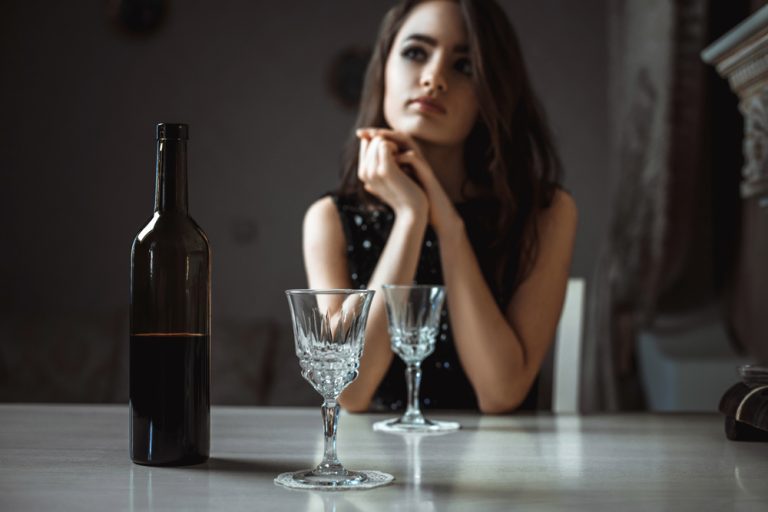

However, alcohol’s effect on skin health—particularly in relation to aging—is often overlooked. And by missing this connection, you may run the risk of developing premature wrinkles, hyperpigmentation, rosacea, eczema, or worse. Of course, everyone is different and some people may see little or no impact on their https://www.grupoeurekaconsultores.com/farewell-letter-examples-to-say-goodbye-to/ skin from alcohol consumption. But, if you’ve experienced some minor changes on your face such as puffiness or dryness, Dr Shergill says you can reverse these with reduction or abstinence. The disruption to sleep from alcohol, even if you’ve just had a couple of drinks, will also have an impact on your skin. It might look pale, with dark circles, sunken or puffy eyes and your lips may look cracked or dry.